A Future Without Physical Money
The transformation of digital payment systems accelerates the transition to a cashless society with efficiency.

Money is a medium of exchange that facilitates economic transactions and reflects the values, beliefs, and developments of the current global financial system. Below Techutop Digital Frontier will discuss various important aspects related to the shift towards a digital financial system without dependence on physical forms.
Development of Digital Payment Technology
The development of digital payment technology continues to accelerate, along with innovations in software and global infrastructure that support faster transactions.
The integration of application-based financial systems makes daily economic activities easier for the wider community. The use of digital money provides high efficiency because transactions can be conducted without geographical barriers. This system also increases transparency and reduces the risk of loss due to physical damage or conventional theft.
Technology companies and financial institutions are competing to create secure and practical payment solutions for global users. A concrete example is the use of digital wallets directly linked to bank accounts or payment cards. This change demonstrates that digital transformation is not just a trend but a necessity in the future economic system.
Security in a Cashless System
Security is a key factor in the implementation of a digital financial system that is gradually replacing physical-based transactions. Encryption technology and double authentication are used to protect user data from potential emerging cyber threats. The use of digital money allows for real-time transaction tracking, increasing accountability in economic activities. Risks such as physical theft are reduced, but digital threats require serious attention from users and service providers.
Education about digital security is a crucial step to ensure optimal data and financial asset protection. Governments and technology companies continue to develop stronger regulations and protection systems for users. With the right approach, this system can provide a sense of security and increase public trust in financial technology.
Also Read: The Digital Lifestyle Secrets Everyone Uses But Never Talks About!
Social Impact of Financial System Change
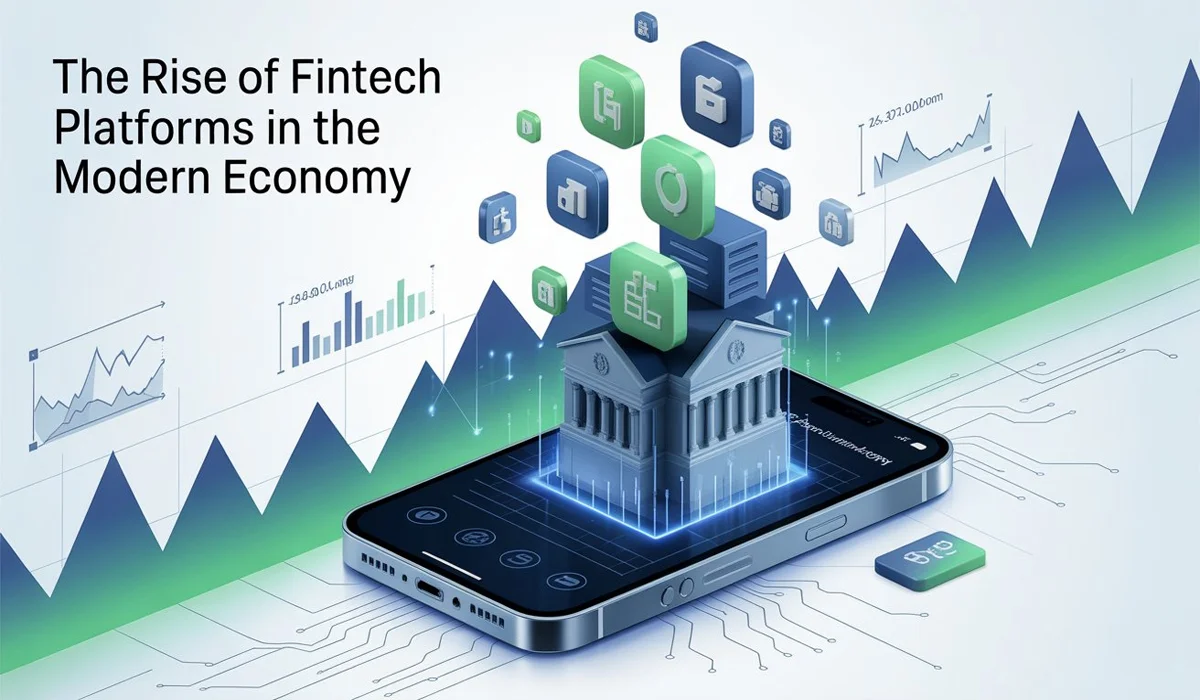
The shift towards a cashless system has had a significant social impact on the lives of modern, evolving societies. Access to financial services has become broader, especially for individuals who previously lacked conventional banking facilities. The use of digital money has increased financial inclusion, enabling people to participate more actively in the economy.
However, the digital divide remains a challenge for regions with limited adequate technological infrastructure. Digital financial literacy education is needed to enable people to use technology wisely and safely in their daily lives. This change also impacts transaction habits, becoming faster, more practical, and more efficient. With the right approach, this transformation can provide equitable social benefits for all levels of society.
The Government’s Role in the Digital Transition
The government has a crucial role in regulating and overseeing the development of digital payment systems to ensure their stable operation. Clear regulations are needed to protect consumers and maintain the stability of the national financial system as a whole. The use of money in digital systems must be balanced with policies that support transaction security and transparency.
The government also needs to ensure that technological infrastructure is evenly available across all regions to eliminate access disparities. Education and outreach programs are crucial steps to increase public understanding of the digital financial system. Collaboration between the public and private sectors can accelerate the implementation of safe and efficient technology.
Economic Efficiency in Digital Systems
Digital payment systems provide significant efficiencies in various economic aspects, including reducing operational costs and transaction times. Payment processes are faster, eliminating the need for complex intermediaries like traditional physical-based systems. The use of digital currency also reduces the need for printing and distribution, which are costly for the government.
This efficiency directly impacts productivity and simplifies daily business activities. Companies can better manage cash flow through an automatically integrated system. Furthermore, transaction transparency facilitates monitoring and more accurate economic decision-making. This transformation is a crucial factor in increasing global economic competitiveness.
Image Information Source:
Main Image from: www.arabianbusiness.com
Second Image from: vocal.media