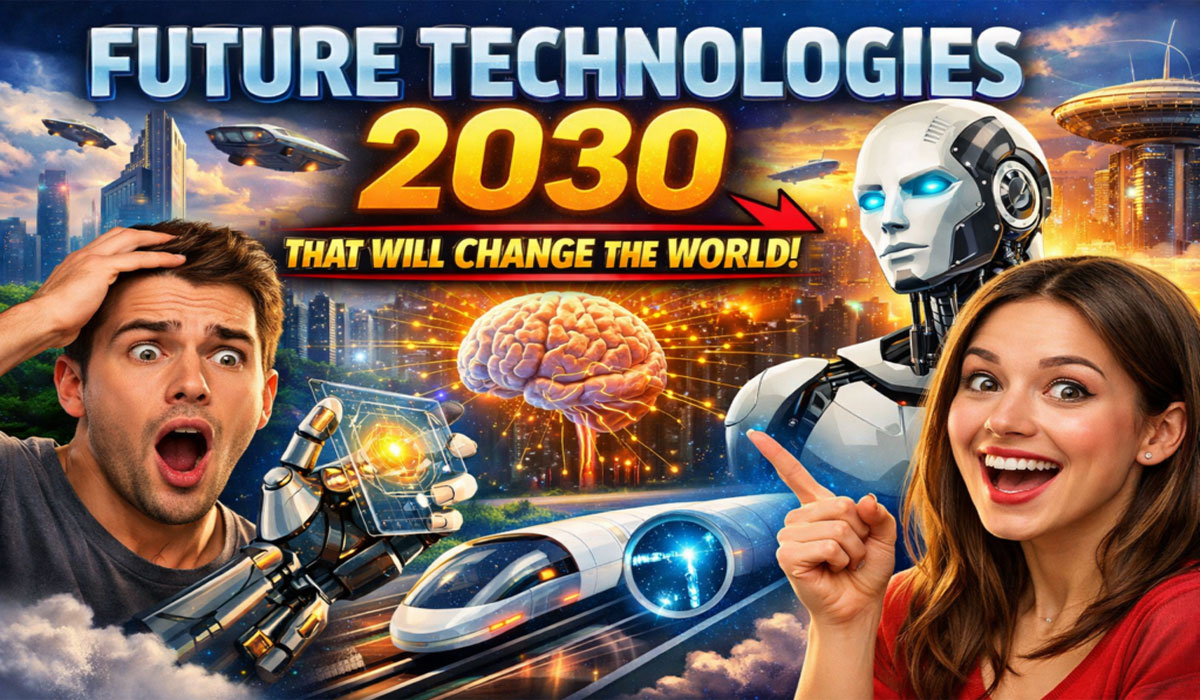
Future Technology Trends That Could Redefine the Way We Experience the Digital World
Future technology trends in 2026 are reshaping the digital world through artificial intelligence, connected systems, immersive experiences, and smarter ways to use information.
Technology continues to evolve as researchers and businesses develop new solutions to everyday challenges. Innovations in artificial intelligence, robotics, cloud computing, and digital connectivity are changing how people interact with devices and access information. These developments also create opportunities for businesses to improve services and develop entirely new products.
Understanding emerging technology trends helps individuals and organizations prepare for changes that may influence employment, education, entertainment, and communication. Although not every innovation will become widely adopted, several developments could significantly influence the next stage of digital transformation.
Discover a wide range of the latest information, breaking news, and in-depth reviews that will broaden your perspective on various engaging topics. Find out more, only at Techutop Digital Frontier.
Artificial Intelligence Becomes More Integrated
Artificial intelligence is moving beyond specialized applications and becoming a common feature of productivity software, smartphones, customer service platforms, and business systems. AI assistants can help users summarize information, generate ideas, and automate repetitive tasks.
Future developments may improve the ability of digital systems to understand context and coordinate complex workflows. However, organizations will still need human oversight to address inaccurate results, protect sensitive information, and ensure responsible decision-making.
Connected Devices Create Smarter Environments
The Internet of Things connects sensors, appliances, vehicles, and industrial equipment so they can exchange information. These connections help systems respond to changing conditions and support more efficient resource management.
In homes, connected devices can automate lighting and temperature controls. In cities and workplaces, networked sensors can support traffic management, equipment monitoring, and energy efficiency. Strong security standards remain essential as the number of connected devices increases.
Immersive Digital Experiences Expand
Virtual reality and augmented reality are creating new ways to interact with digital content. These technologies can support immersive gaming, remote collaboration, interactive education, and professional training.
Future hardware may offer more comfortable designs, clearer displays, and more natural controls. Wider adoption will also depend on affordability, useful applications, accessibility, and the ability to deliver experiences without causing excessive physical discomfort.
Also Read: Technology in the World of Sports
Computing and Connectivity Continue to Advance
Cloud computing allows people and organizations to access software, storage, and processing power without relying entirely on local hardware. Edge computing complements this approach by processing certain information closer to where it originates, which can reduce delays in applications that require quick responses.
Meanwhile, improvements in wireless connectivity and computing architecture may support more demanding digital services. Emerging fields such as quantum computing could eventually contribute to specialized scientific and industrial tasks, although practical applications remain limited compared with conventional computing.
Conclusion
Future technology trends could redefine the digital world through intelligent automation, connected environments, immersive experiences, and improved computing capabilities. These innovations offer opportunities to make services more responsive and everyday activities more efficient.
Their long-term impact will depend on practical usefulness, affordability, security, and public trust. By following developments carefully and strengthening digital skills, individuals and businesses can prepare for technological changes while evaluating new tools with realistic expectations.